


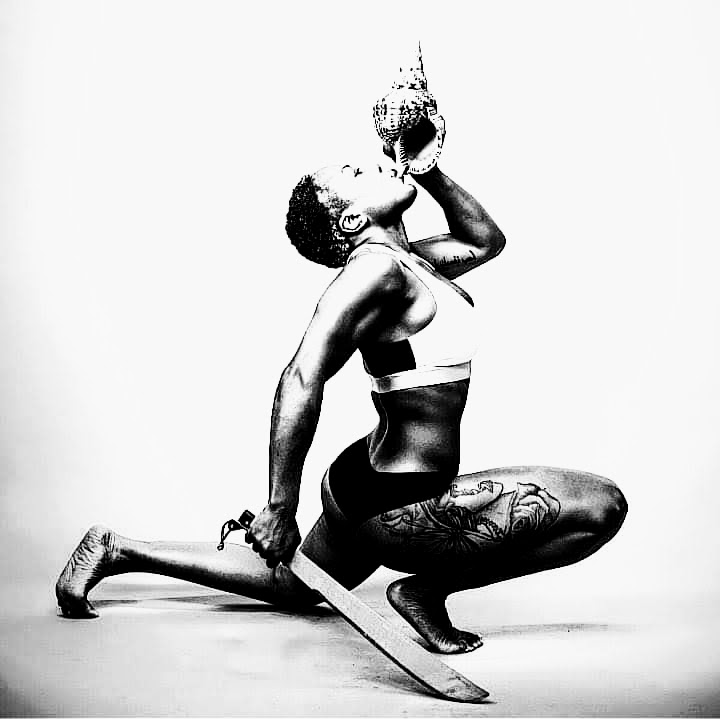
Melissa “Killer Mel” St-Vil never expected boxing to become the force that would change her life. Long before stepping into the professional ring and preparing for international bouts, she was a young girl growing up in a difficult environment, marked by domestic violence and street fighting.
These early experiences led her to spend part of her childhood in Haiti, where she continued to search for direction and a sense of belonging. More than anything, she longed to feel understood, something she struggled to find growing up.

Although boxing would ultimately define her career, St-Vil initially envisioned herself pursuing theater and the creative arts. Raised in a traditional Haitian family, where stability and structure were heavily emphasized, she often felt pressured to follow a conventional path rather than explore her own identity.
Ironically, her first passion for boxing was sparked by the classic Nintendo video game Mike Tyson’s Punch-Out!! What began as a childhood curiosity blossomed when she followed her cousin to a boxing gym for the first time. From that moment, her connection to the sport was immediate and undeniable.
The gym soon became more than just a place to train. It became an outlet, a refuge, and a place where she could transform years of hardship into discipline and focus.
St-Vil’s daily routine reflects the level of commitment she dedicates to the sport. Her mornings begin with prayer, before moving on to running or swimming, followed by hours of training throughout the day. A two-time All-American in track and field, maintaining elite physical condition has always come naturally to her.
The psychological aspect of boxing, however, requires a different kind of preparation. Despite her reputation as an aggressive athlete in the ring, St-Vil describes herself as naturally calm outside of competition. To compete at a high level, she mentally draws on the survival instinct and emotional intensity shaped by her past experiences, while reminding herself to trust in the hard work already done.

This mindset emerged immediately during her professional debut, when she scored a first-round knockout victory. The physical exchanges in the ring briefly evoked memories of the street fights she had participated in as a child, adding a powerful emotional charge to the moment.
Throughout her career, St-Vil has also learned how difficult it can be for women to earn respect in a male-dominated sport. She believes that female boxers, especially those judged primarily on appearance, are often forced to work harder to prove their legitimacy and tenacity.
Yet, the pressure has never intimidated her. St-Vil credits her Haitian roots and life experiences for the resilience that now sustains her in crucial moments.
One of the most significant experiences of her career was fighting professionally in Haiti: a dream she had imagined years earlier, speaking with her grandfather before his passing. Returning to compete in a country deeply connected to her childhood gave the moment an emotional meaning that goes far beyond boxing.
Outside of competition, recovery and mental well-being remain central to her lifestyle. To aid her body’s recovery after training, St-Vil prioritizes rest, massages, saunas, and hot tubs, while also practicing positive affirmations and self-encouragement to maintain focus and self-confidence.

Although boxing takes up much of her time, St-Vil intentionally separates her professional and personal life, treating the gym exclusively as a workplace and keeping her private life out of the spotlight.
Now, as she prepares for a fight in Nigeria, St-Vil says her ambitions go far beyond winning in the ring. She hopes to use her fame to support children growing up in disadvantaged families, individuals with special needs, and expand opportunities for Haitian youth through boxing programs and community initiatives.
She is also committed to raising awareness about autism and using her growing visibility to start conversations that go beyond sport.
At the same time, St-Vil believes women’s boxing still faces internal obstacles. She is convinced that boxing can only continue to evolve if female boxers begin to support and encourage each other, rather than competing and fueling negativity and division.