


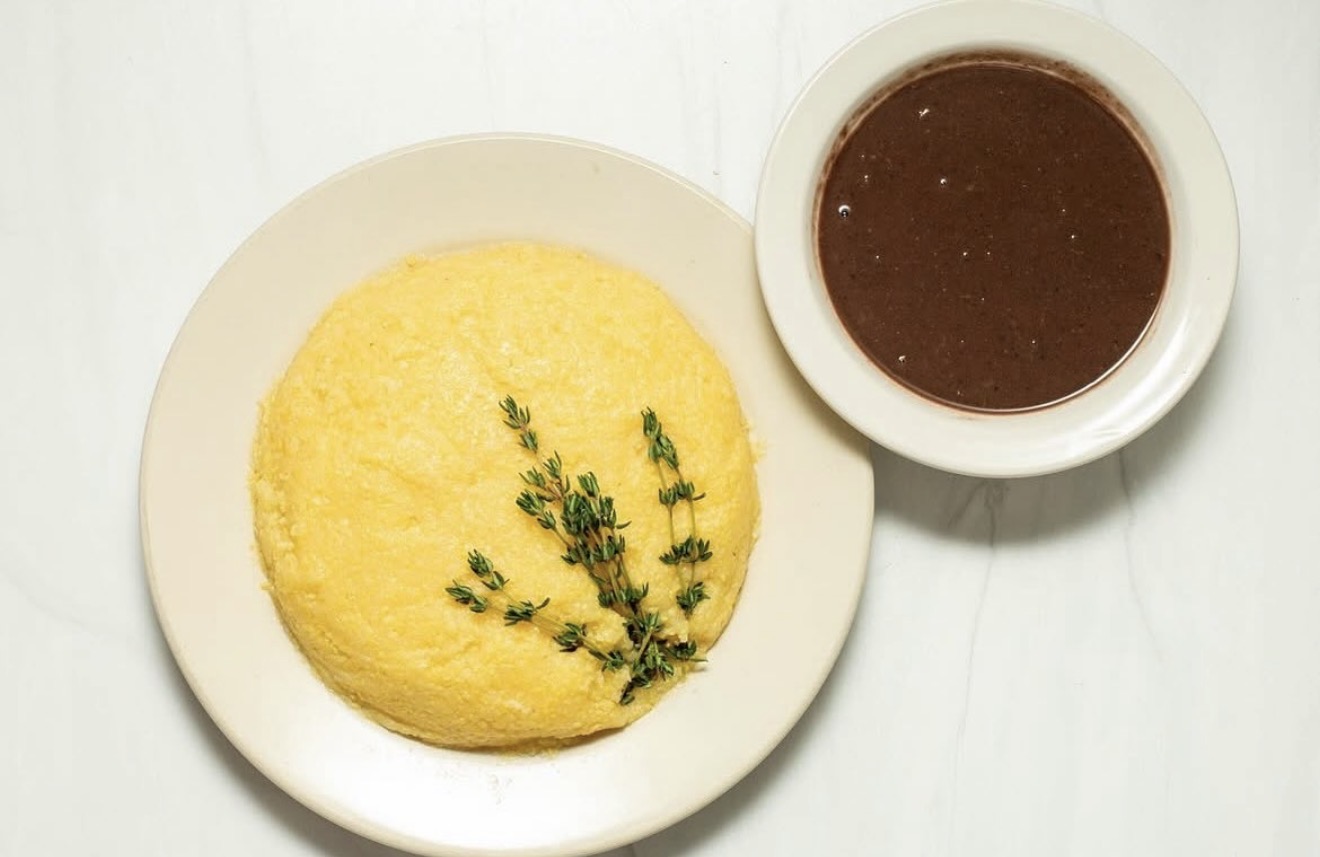
In many Haitian homes, the aroma of “mayi moulen” or “sòs pwa” wafting from the kitchen is not only synonymous with lunch, but also represents a beloved culinary tradition. Often served around 12:00 noon, this popular dish is made from cornmeal cooked to a creamy consistency and accompanied by a rich bean sauce, creating a nourishing and deeply satisfying meal.
Haitians commonly refer to “mayi moulen” or “sòs pwa” as “manjé lou.” In Haitian Creole, manjé lou literally means “heavy food” or “hearty meal.” The term is used to describe filling and hearty foods that can keep a person satisfied for several hours. Unlike a light breakfast, snack, or dinner, “manjé lou” provides the energy needed to face the demands of the day.
Thanks to its hearty texture, “mayi moulen ak sòs pwa” is traditionally served around noon. Lunch has always been considered the ideal time to enjoy a complete meal, especially for those returning from school, working in the fields, running a business, or taking care of household chores. The combination of cornmeal and bean sauce offers comfort and nourishment, making it a practical and satisfying choice.
The ingredients themselves tell a story of ingenuity and tradition. Cornmeal and beans have been staples of Haitian cuisine for generations, prized for their availability, nutritional value, and versatility. Bean sauce, often made with black, red, or white beans and flavored with herbs and spices, adds richness and flavor that elevates the dish beyond its simplicity.
Beyond its nutritional value, “mayi moulen ak sòs pwa” has profound cultural significance. It’s a dish that has brought families together around the table for generations, creating moments of sharing and strengthening a shared culinary heritage. Served with avocado, vegetables, fish, or meat, it remains a beloved part of Haitian daily life.
In a world where culinary traditions continue to evolve, “mayi moulen ak sòs pwa” remains a powerful symbol of Haitian identity. As a true “manjé lou” (traditional dish), it reflects both the practical need for sustenance and the enduring value of family, culture, and tradition. More than just a meal, it’s a taste of home and a reminder of the richness of Haiti’s culinary heritage.